


Electrical & Measurement Specifications
-
Supply / Auxiliary Voltage: Typically 100‑270 V AC/DC or 230 V AC ±10% (50/60 Hz) depending on variant.
-
Voltage Measurement Range: For example, single‑phase AC: 30 V to 500 V AC (L‑N or L‑L); three‑phase variants up to 520 V AC (L‑L).
-
Current Measurement Range: Direct input (e.g., up to 30 A AC direct) or via CT (e.g., primary 5/5 A up to 4000/5 A) for larger currents.
-
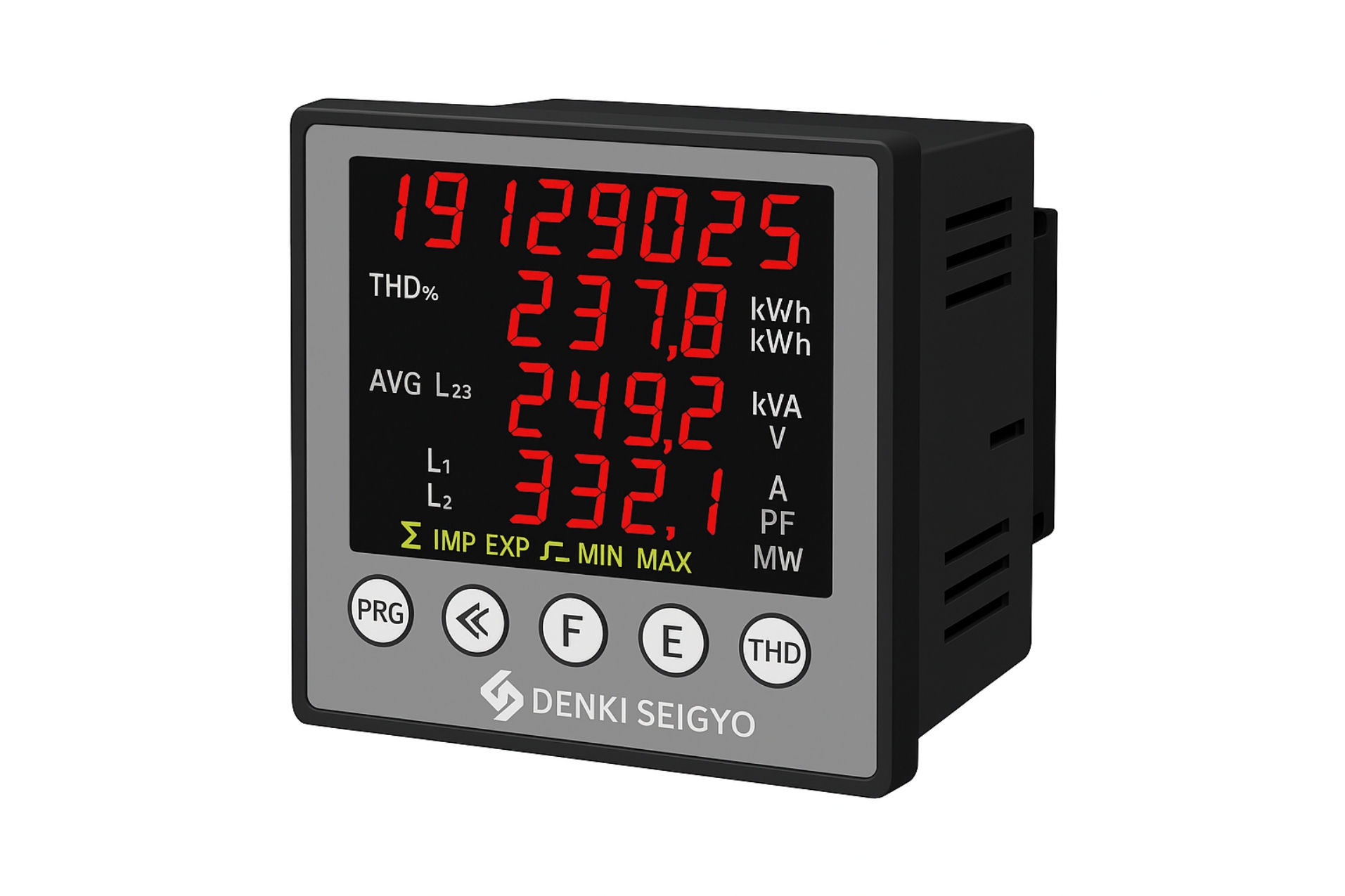
Energy / Power Measurement: Some meters include kWh measurement for energy monitoring, or multi‑parameter metering (voltage, current, power, power factor).
-
Accuracy Class: Typically Class 0.5 (±0.5% of full scale) or similar for industrial use.
-
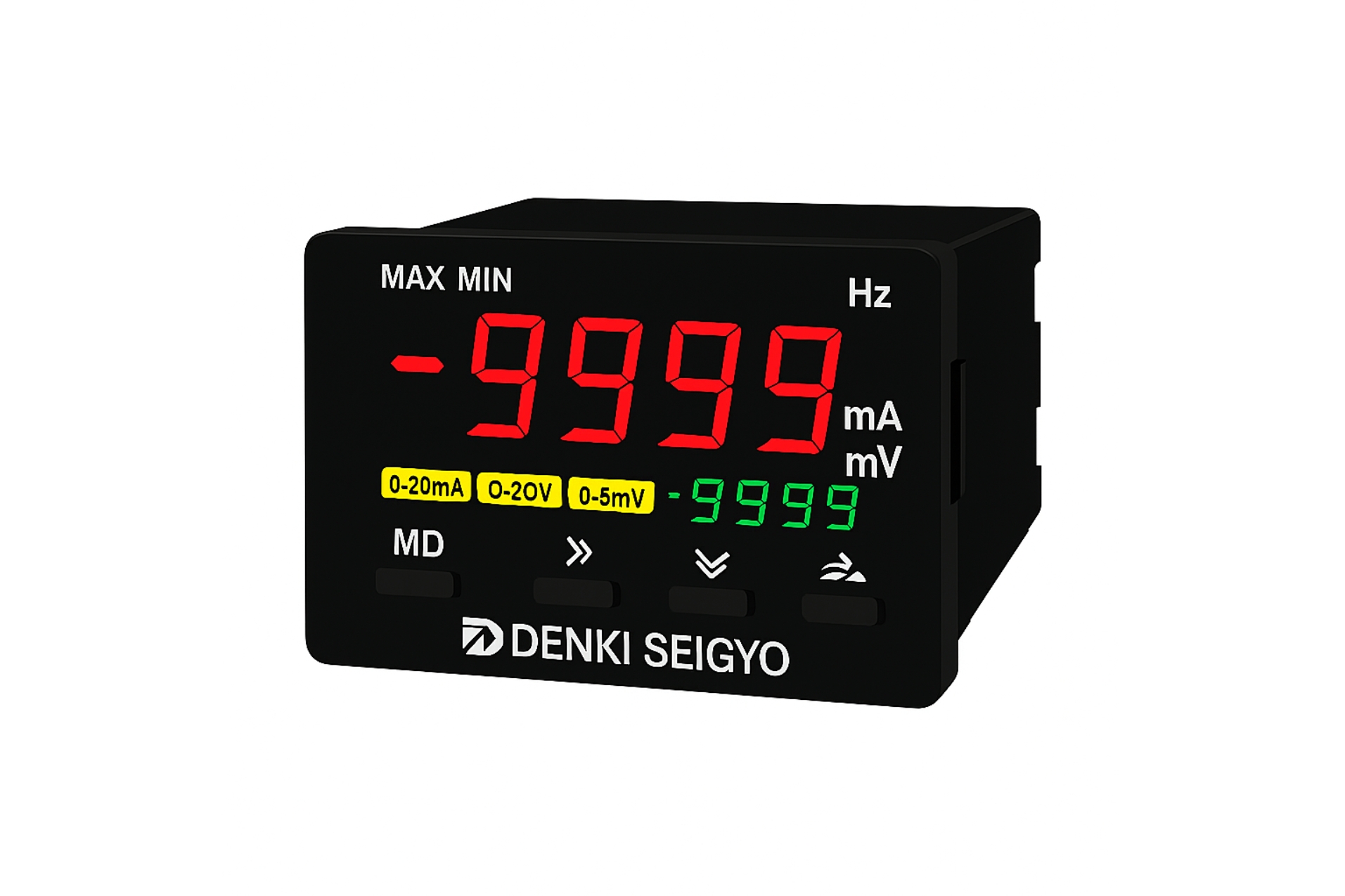
Display: Digital 4‑ or 6‑digit LED or LCD displays for parameters; separate lines for voltage/current or energy.
-
CT/PT Inputs: Selectable input ratios (CT primary, PT primary) for custom installation. For example CTs up to 9999 A primary and PTs up to 100 kV in some meter families.
-
Input Types: AC/DC voltage, AC current, DC current (via shunt), possibly communication outputs (RS‑485 / Modbus) depending on model.
-
Minimum Load / Burden: For current inputs via CTs, ensure CT burden is within spec; for direct measurement, check minimum current requirement.
Mechanical & Mounting Specifications
-
Panel Size / Cutout: Typical sizes include 96 × 96 mm, 72 × 72 mm, 48 × 48 mm or similar variants.
-
Depth Behind Panel: Often ~40‑60 mm depending on variant.
-
Front IP Rating: May provide IP65 front (when correctly sealed) for panel front protection.
-
Temperature & Humidity: Ambient operating temperature typically 0 °C to +55 °C, humidity up to ~95% RH non‑condensing.
-
Weight & Construction: Compact plastic or metal housing, panel‑mount clip or screw fix; terminal blocks for wiring.
-
Wiring & Terminals: Heavy duty terminals for voltage/current inputs, auxiliary supply terminal, CT/ PT connection terminals, possibly communication ports.
Functional Features
-
Single‑Parameter Display: Voltage meter, current meter, or energy meter dedicated.
-
Multi‑Parameter Display: Combined volt + amp meter, energy + power meter, multi‑phase monitors.
-
Preset/Alarm: Some models allow configurable setpoints/alarms (e.g., for overcurrent, under-voltage) with relay outputs or visual indicator.
-
Communication & Digitization: Higher‑end models may provide RS‑485 (Modbus) connectivity, analog outputs (4‑20 mA), data logging.
-
Selectable Ranges: Models with configurable input ranges (for example –750 V to +750 V DC for DC voltmeters) allow flexible usage in different systems.
-
Energy Accumulation: Energy meters accumulate kWh usage, often with 6‑digit display for large values, optional pulse output for remote monitoring.
Protection & Compliance
-
Isolation: Safe galvanic isolation between measurement inputs and auxiliary circuits; withstand voltage tests (e.g., 1 kV AC) typical.
-
Surge/Transient Immunity: Designed for industrial EMI/EMC environments; appropriate surge protection recommended in high‑transient locations.
-
Standards & Accuracy: Compliance with IEC/EN standards for panel meters, energy measurement accuracy, and safety (IEC 62053, IEC 60529 etc).
-
Calibration & Traceability: Many meters are calibrated with traceable standards; in installations periodic calibration may be required.
Installation & Maintenance Guidelines
-
Mounting: Insert into panel cut‑out, ensure chassis/terminal grounding, provide adequate ventilation if panels are densely packed.
-
Wiring: Separate high‑current leads (CT secondaries, PT primaries) from signal/auxiliary wiring; ensure CT polarity and correct ratio.
-
Calibration/Configuration: On first installation, program the meter for the correct input ranges/CT ratios/aux supply. Verify display correctness with standard instrument.
-
Regular Checks: Inspect terminal torque, look for abnormal temperature rise, dust accumulation; verify reading consistency.
-
Spare/Replacement: Keep spare panel meter units available for critical installations to minimize downtime.
-
Firmware/Communication: For models with communication, ensure firmware/upgrades as per manufacturer; back‑up configuration settings.
Typical Applications
-
Motor control panels (monitoring current draw/voltage supply).
-
Power distribution boards in commercial buildings (measuring consumption/energy).
-
Industrial process control panels (monitoring supply parameters, logging energy usage).
-
Renewable energy systems (solar/wind) for DC voltmeters/amp meters, energy monitoring.
-
Utility sub‑metering or cost allocation (tenant energy billing).